
"Do I look like a refugee?"
With the beret he looks like a French intellectual, even though he is Tunisian.
Maybe the lady at the coffee-table on Sunday had met the general expectations of a delightful granny - small with curly sliver hair and laugh lines around her eyes - maybe she was a big strong woman, a daunting authority within her family. Maybe she tipped her teacup with the spoon when talking. Maybe she extended her pinkie when sipping her tea. In any case, she was there when Aymen was introduced to his girlfriend's family and she would ask her granddaughter's boyfriend quite bluntly and with the nonchalance of an old lady the crucial question that now causes his squinting: "Are you a refugee?"
"He has the necessary papers" is how Latif introduced Aymen to a group of students of Evangelische Schule Spandau when they were touring the asylum.
Yes indeed, Aymen, graduate engineer, architect, with a master degree at Technische Universität looks like a refugee - because everyone looks like a refugee.
Refugees are humans.
Wouldn't it be exciting if the Institut für Demoskopie Allensbach (institute of public opinion) or any comparable institution were to ask the public "How do you envision a refugee?" or "How do you recognize a refugee?" or simply "What is a refugee?" in the near future.
The majority of all respondents would most likely assume "the" refugee is dark-skinned - just like Aymen. However, he would probably not wear a beret in the collective belief.
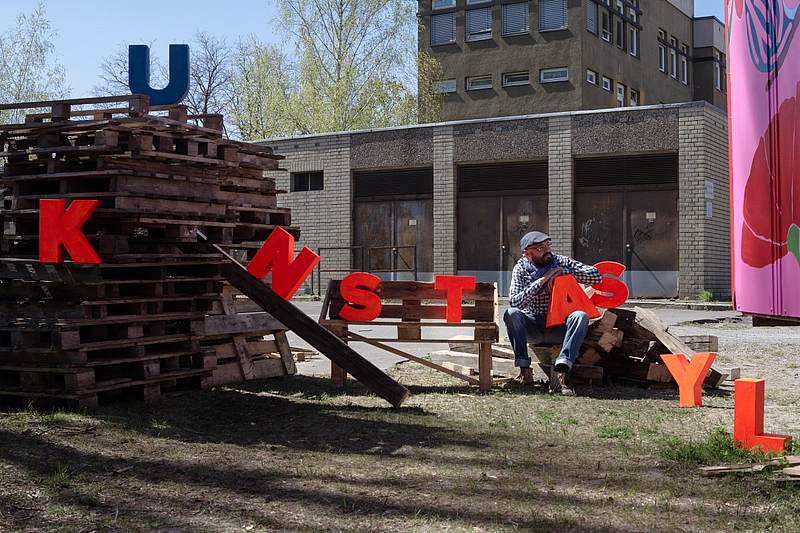
Aymen

Hameed
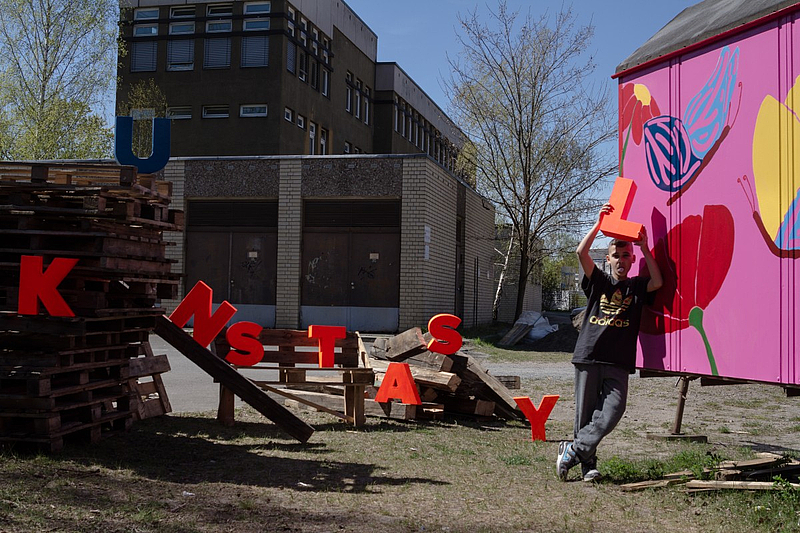
Latif
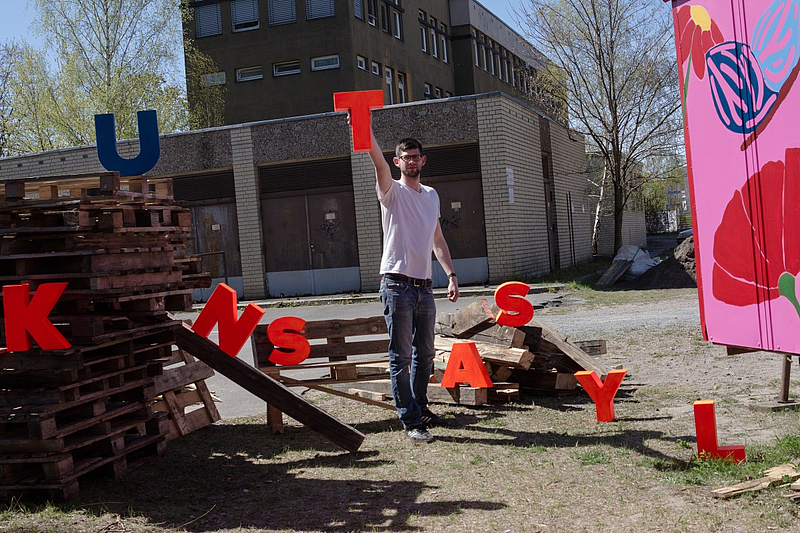
Till
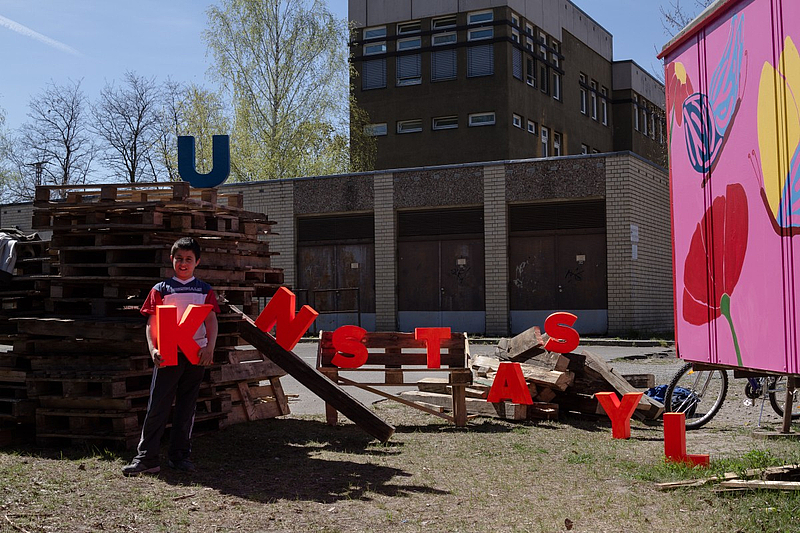
Khaled
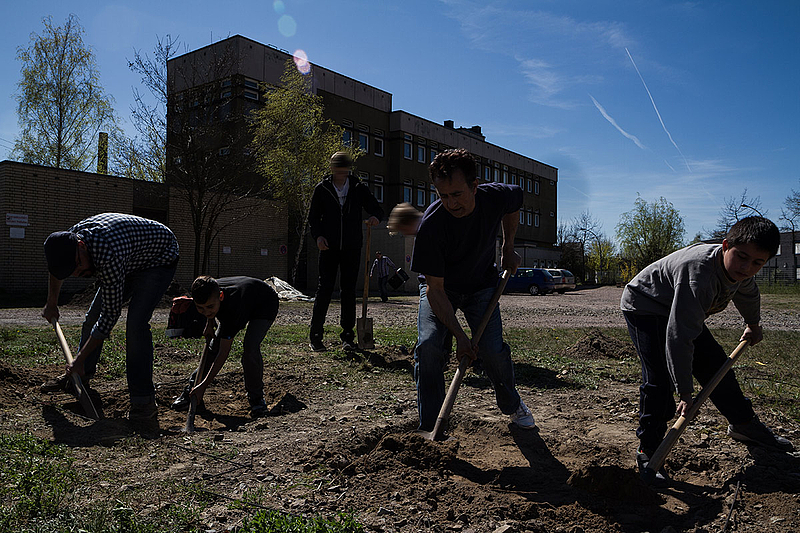
Aymen | Latif | Serdar | Khaled
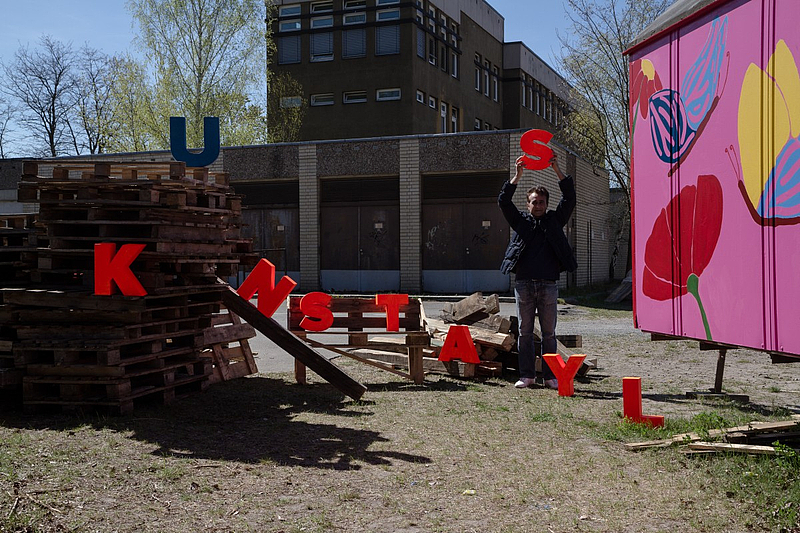
Serdar
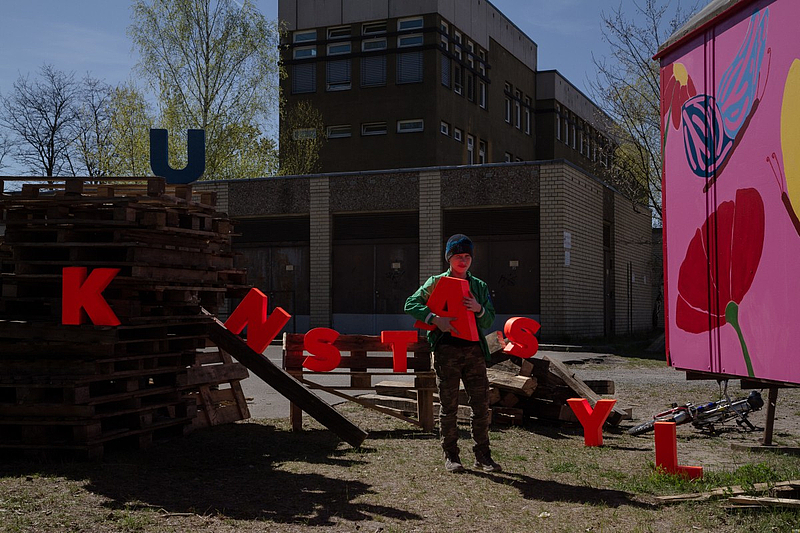
Ali
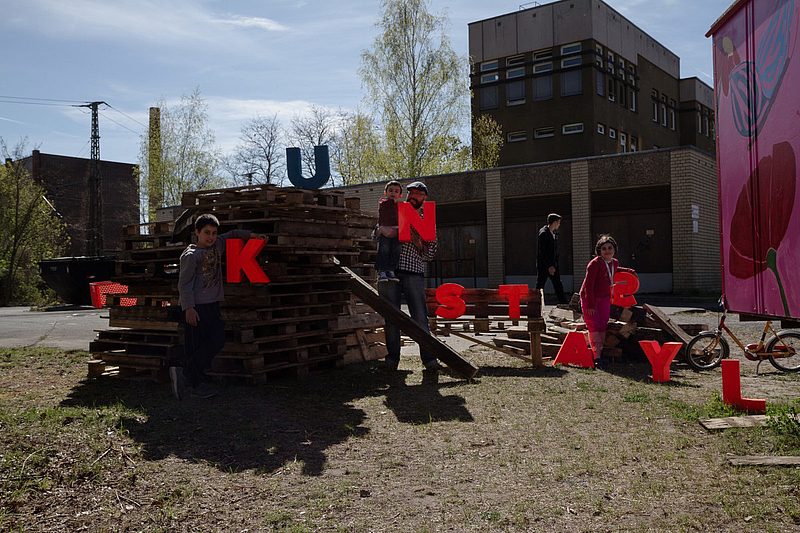
Khaled | Amyen mit Nour | Sham

Sham
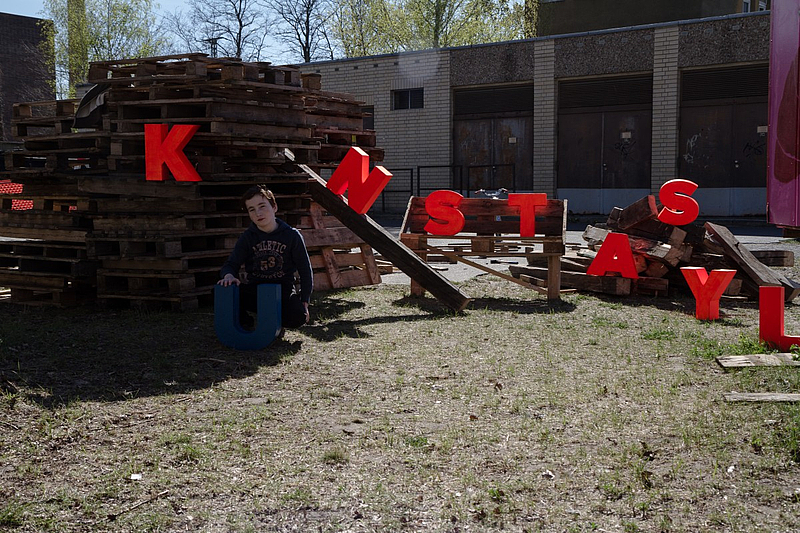
Umar
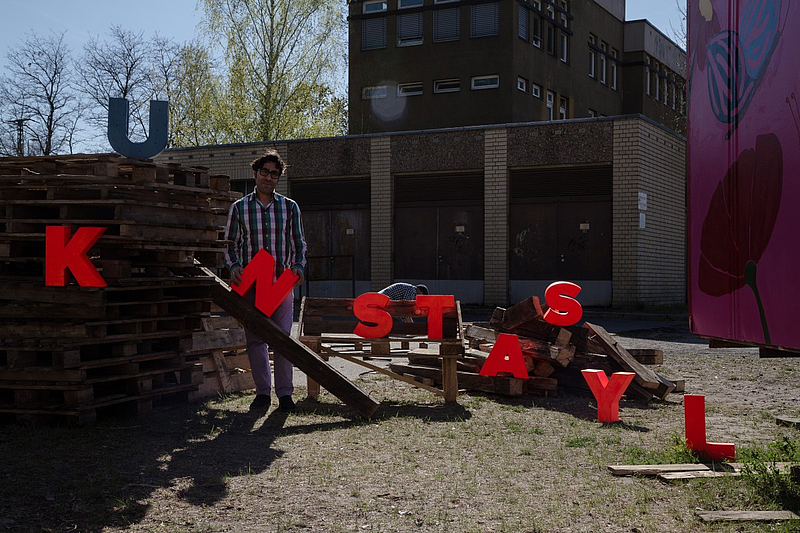
Nabil
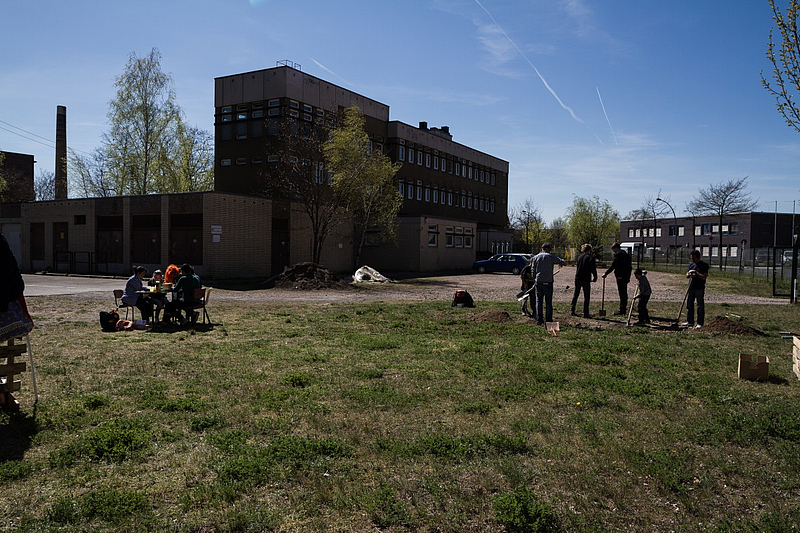
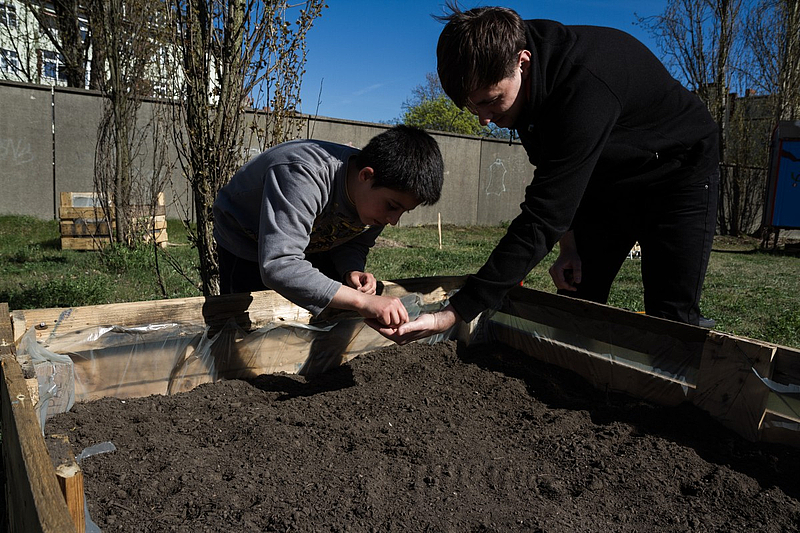
Khaled | Gordon
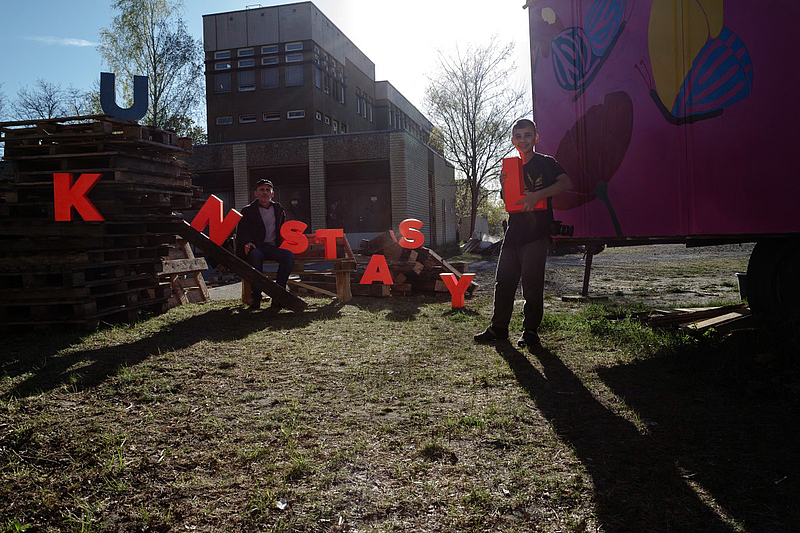
Shaban | Latif
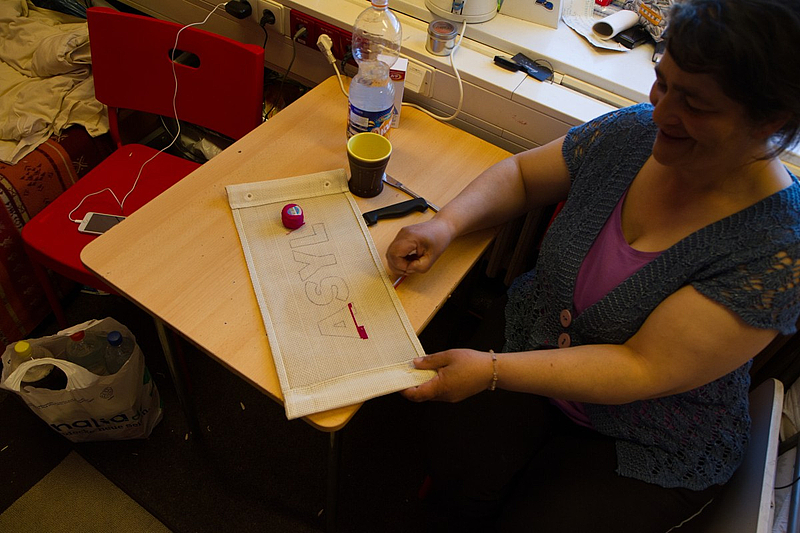
Zineta