
Idomeni
Both of my winter coat's sleeves are in a bad state. She must have observed me to notice the short fringes at the hemline next to my wrists. She finds it difficult to believe that sometimes clothing is specifically treated to pretend age and usage and that it is sold at a high prize. "Where I come from no one would have to wear that." Now I have a question about fashion for her: How does she manage to have a headscarf with a crease after 20 days in Idomeni? Her white outfit reflects the color of the tents and shimmers in a pale green. Ducking our heads we're sitting on grey UN-blankets in an igloo made of nylon. If we were outside, in the icy wind on the lumpy and muddy ground, one would see right above her headscarf's crease the Macedonian ridge. It is only 250 meters from the border to the camp where about 9000 people hold out - some have been here for four weeks like Jotkar and his family.
Open the border! Most of them shout out in silence. Occasionally, their calls trail off in the middle of nowhere. A group of desperate people is blocking the freeway a few meters away from the border crossing. Three people burned themselves to death in Idomeni and on the island Lesbos between March 22 and 24.
Ersan's luggage consists of five headscarves, all of them white and ironed. She is wearing the traditional clothing of Yazidi women - a symbol of her identity that is visible to everyone. She would never find something alike in Europe, is what she had thought. She could abstain from everything else.
Her headscarf shines in bright white between orange life vests. She used her cell phone to document the boat passage from Turkey to the island of Samos. Together with the families of two of her sons and one daughter, it took her a year and a half to make it to the Greek-Macedonian border: twelve people, the youngest of the seven children was born on the run, in the desert between Iraq and Syria. They are smiling.
The family is from Shengal. They were neighbors to Dachil. Door to door.
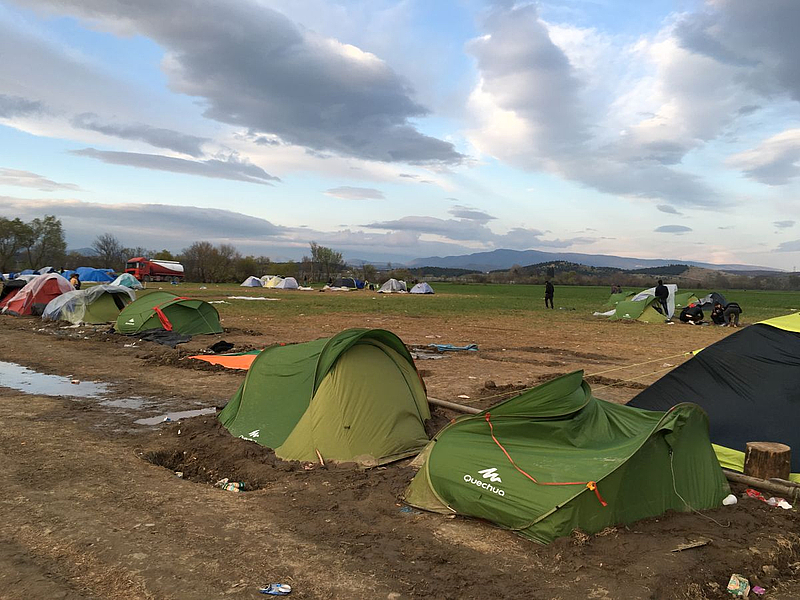
To get to their four igloo tents, one has to walk through the entire camp. And with every pace there is more mud and dirt on one's shoes. A child got stuck in mud up to his ankles and can't move his feet anymore. The wind is chasing clothing and trash through the camp. Tents are blown up and swaying, canvas covers are like sails in the wind, on a journey with its destination visible - however out of reach. Policemen are blocking the rails. There are no longer train services to Macedonia. In the sparkle of campfires Europe becomes a Fata Morgana. People, who survived the boat ride over the ocean, catch their reflection in brackish water.
"As if I fell off a mountain"
Once you come to pass Jotkar's provisional dwelling you have arrived in Idomeni. It is advisable to rest on one of the plastic chairs on his little porch before inching your way forward inside the camp, loosing imagination.
His youngest daughter Pelinar is two and half years old and her curls could not be more beautiful. Her five-year-old sister Britan too has curly hair like an angel. Their father has learned how to survive. He fought for five years next to the guerillas at the Iraqi Zagros Mountains. In 2004 he was kidnapped in Deralok by the Asayish - the security forces of the Kurdish PKK - and survived a year and a half in prison. To his family he was believed to be lost for two years. The Kurdish fighters brought the Syrian over the border. After paying ransom he was freed from Assad's security forces. They had arrested him immediately after crossing the border.
Alongside the YPG - the main armed service of the PYD, one of the most important Kurdish opposition parties in Syria - he had been combatant against ISIS. Then he lost everything. All his belongings and three of his closest family members. He escaped with his family. *
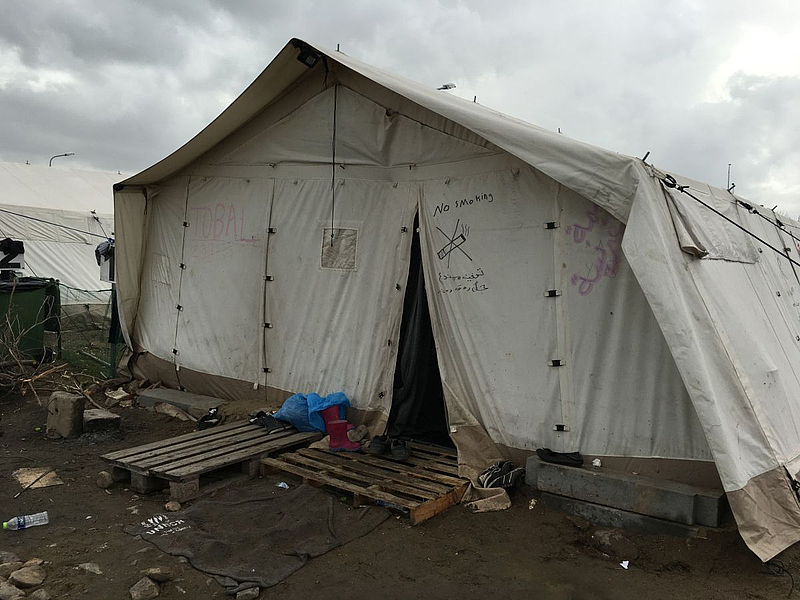
There is no dwelling as solid and strong as his. Over night he moved it about 10 meters. With rain, the camp is drowning. His tent is build on euro-pallets, plastic canvases wrap a construction made of planks and create extra protection against the rain and the wind.
The combatant and his family became vanguards for those thousands and thousands of undesired people.
His tent faces the heartland of Greece, not the border.
"It is," he says, "as if you were sitting in the cold, waiting for warmth. But it is not coming."
There is a sculpture in front of the archeological museum in Thessaloniki. Made of stone, it embodies the meaning of the word INUKSUK. "INUKSUK," it says in an inscription, "is an Inuit word meaning 'to act in the capacity of a human."
Not so in Idomeni.
*Specifications by Jotkar
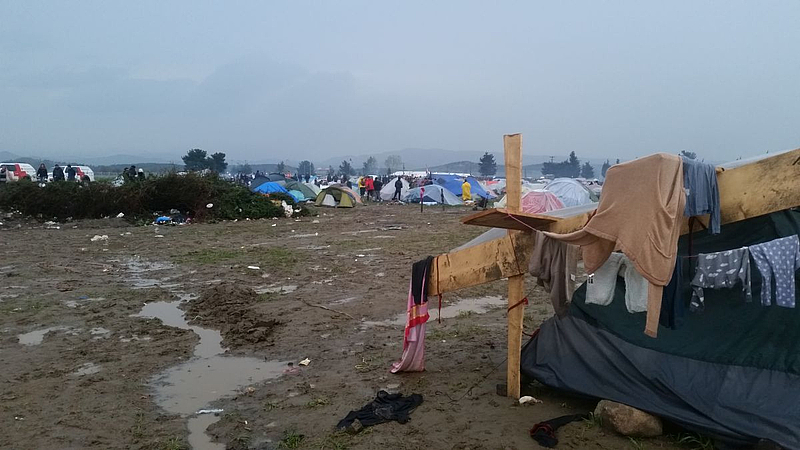
Idomeni - thousands are hoping for the Greek-Macedonian border to reopen
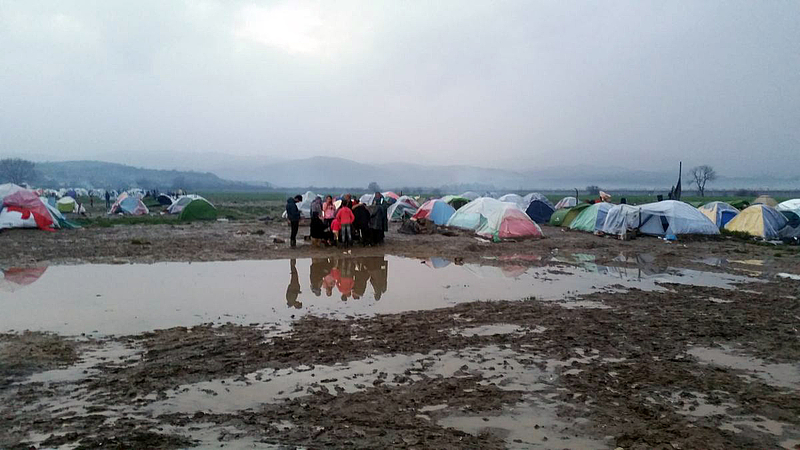
They survived the ocean. Now they are holding out on muddy grounds between puddles.
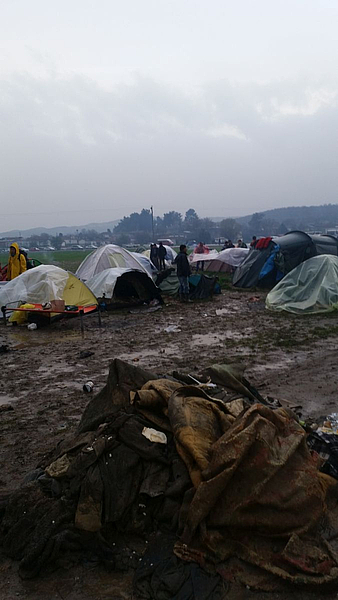
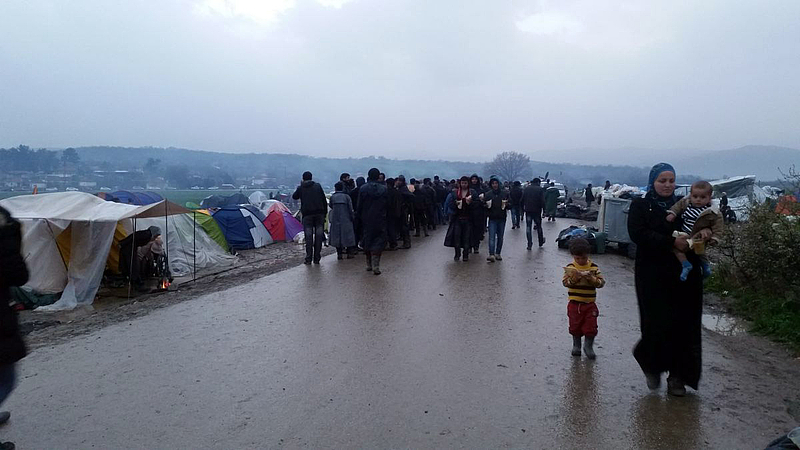
On the road that leads to nowhere
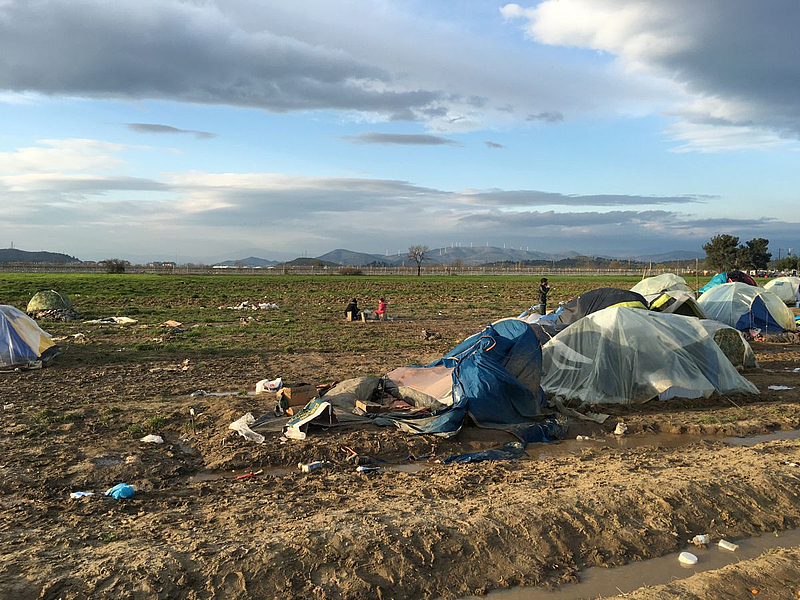
On average, four people share an igloo.
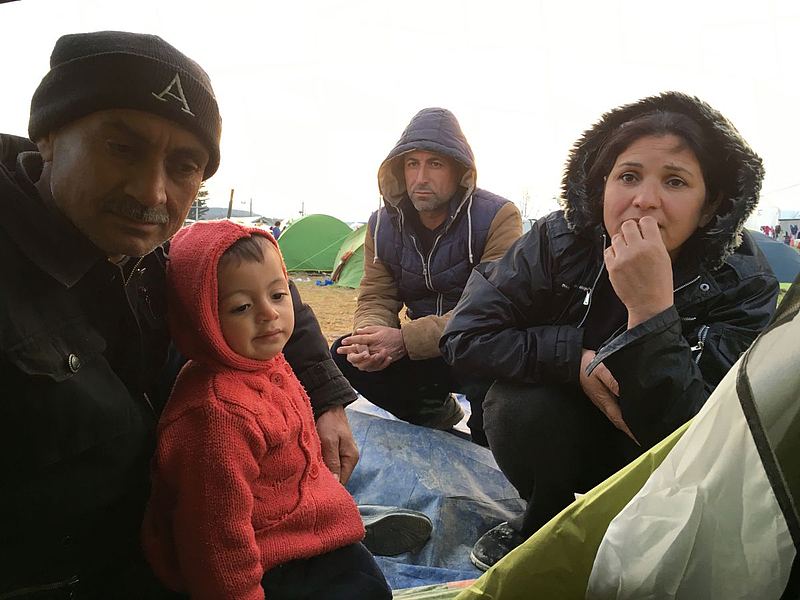
The Yazidi family has been on the run for a year and a half. Alan was born in the desert. He is sitting on his uncle Kalaf's knees, his mother Katun is cowering down next to him.
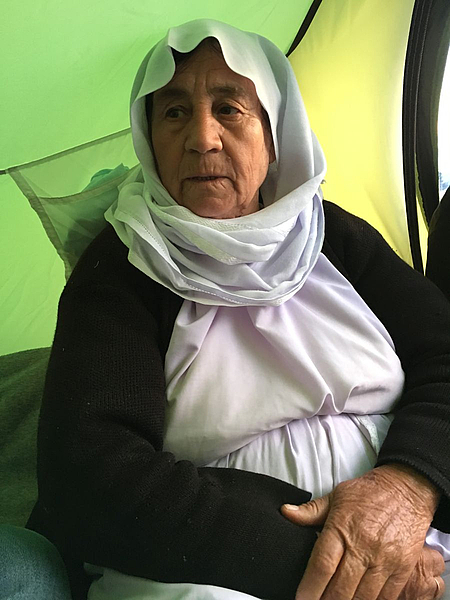
Ersan
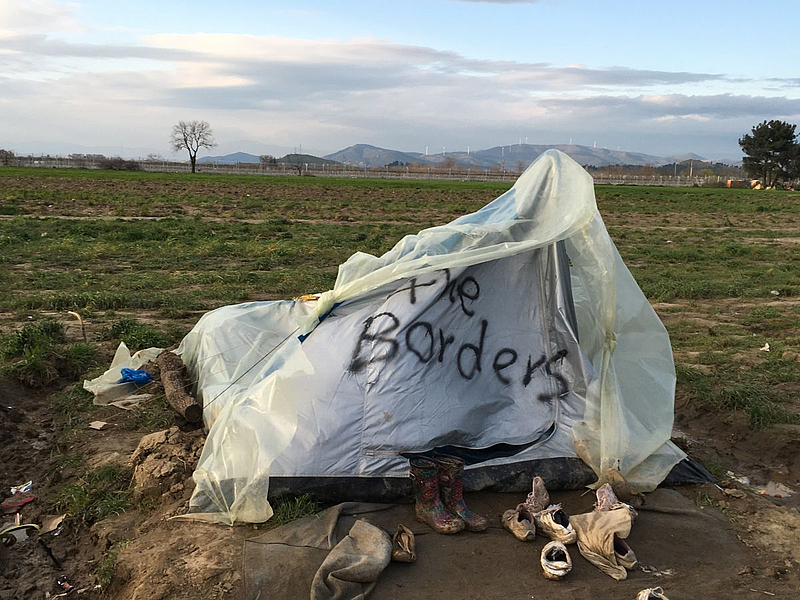
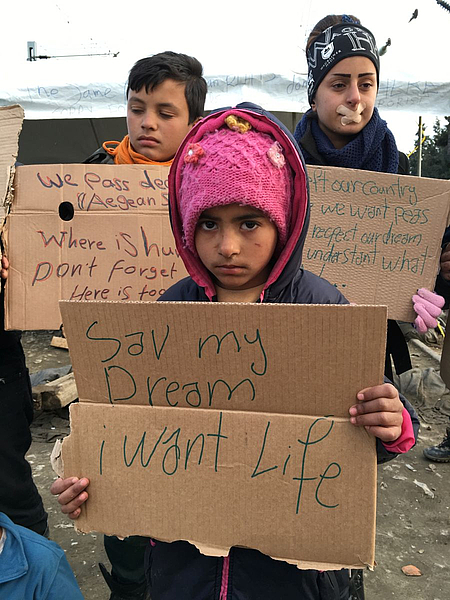
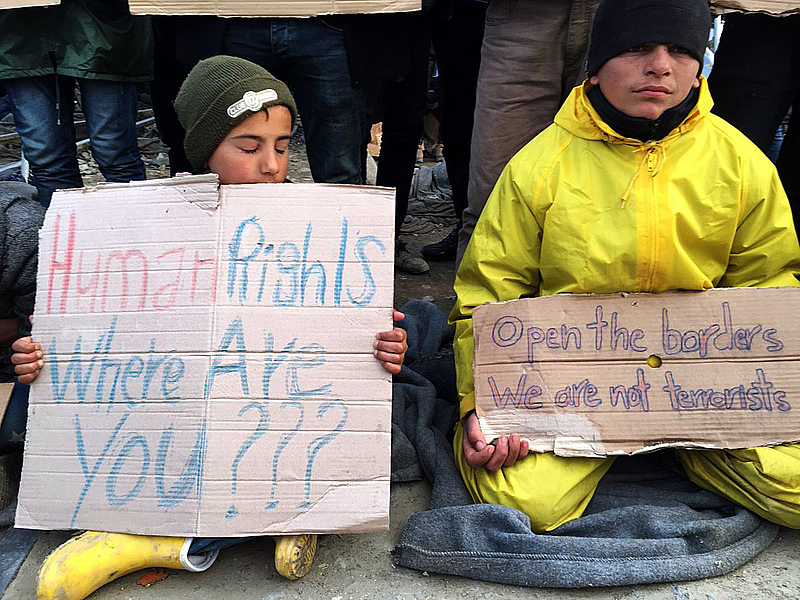
People demonstrating on March 24, 2016. One may wonder how those postulations and demands were put on card board.
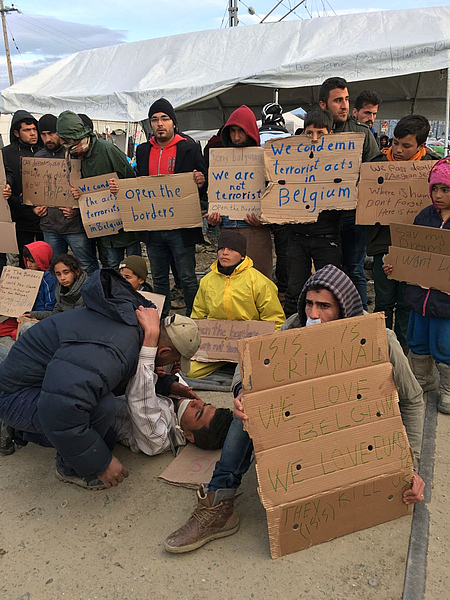
Words and sentences may not be authentic. However, the protesters' exasperation and mindset are real.
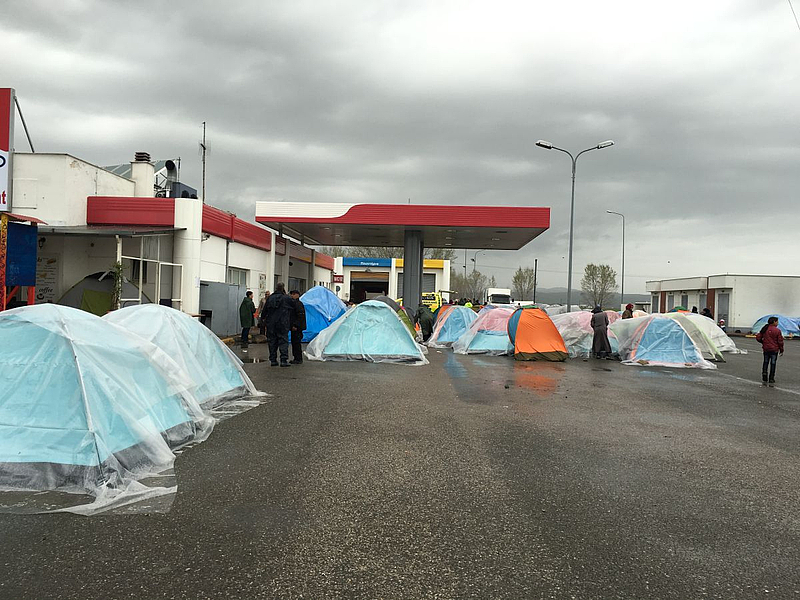
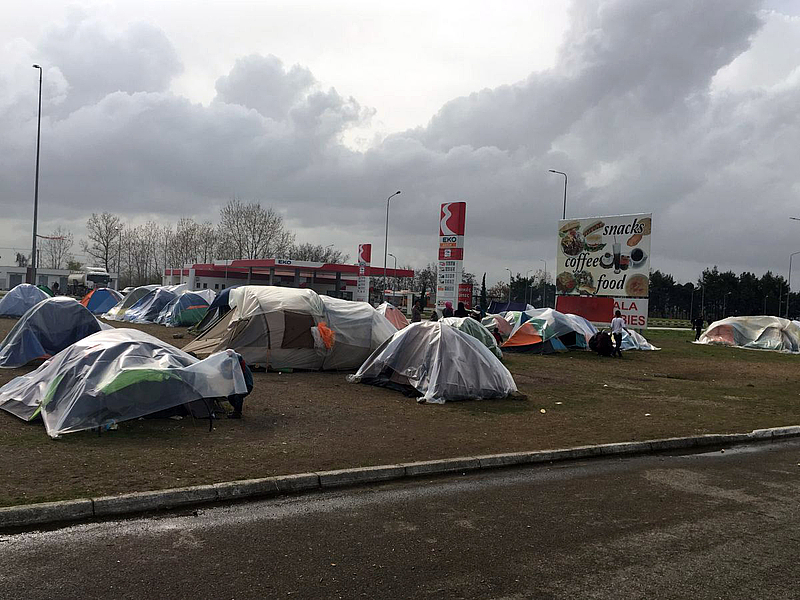
Hundreds of people fled the bad conditions in the open field. They are camping now on the parking grounds of the nearby gas stations.
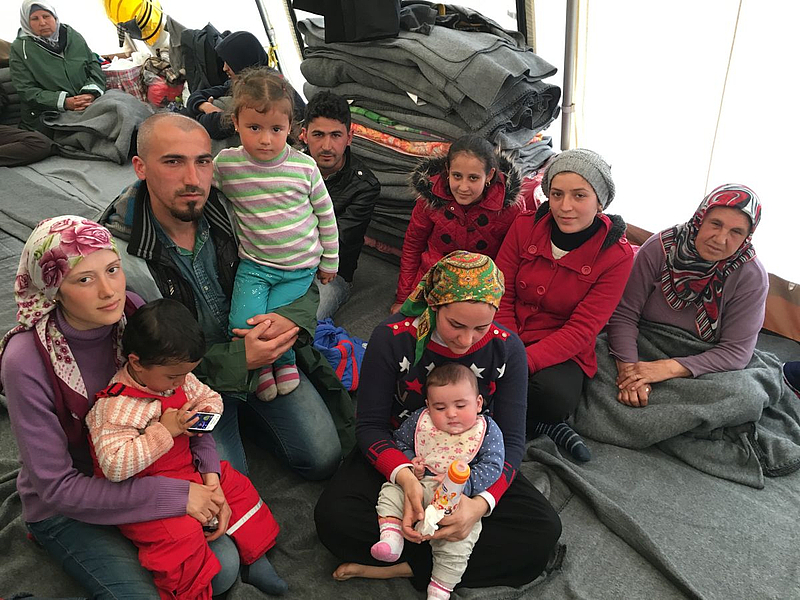
A family from Afrin, a town, located in northern Syria. The district of Afrin belongs to the Governorate of Aleppo
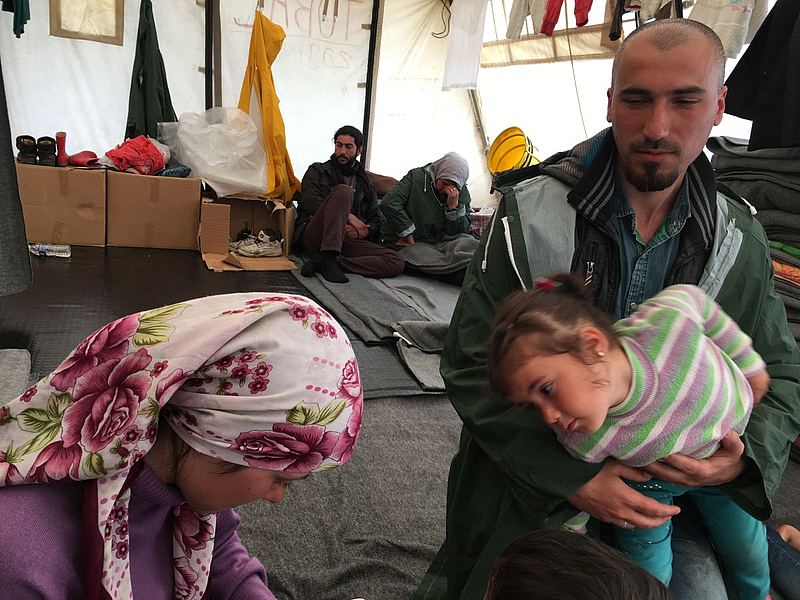
Her house in Aleppo was destroyed. Her headscarf is all that is left. 20 year old Rima left with her husband and their two children. Ragnan, next to her with the baby on her lap, studied French in Aleppo.
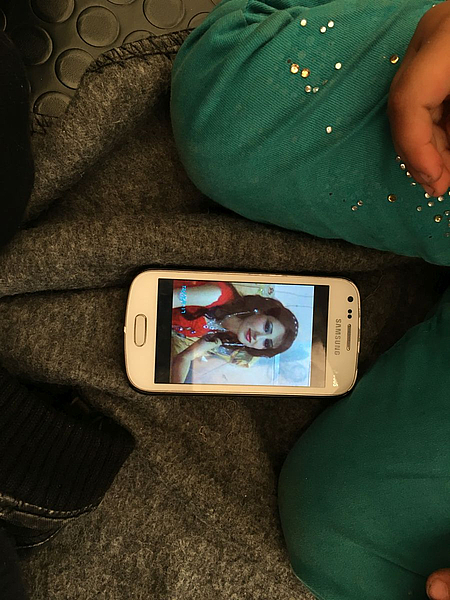
The picture is showing her as a bride. She got married at 15. "Women in Europe lead a different life", the women sitting in the tent say. They are aware of that. "We will learn from them" is what they say.
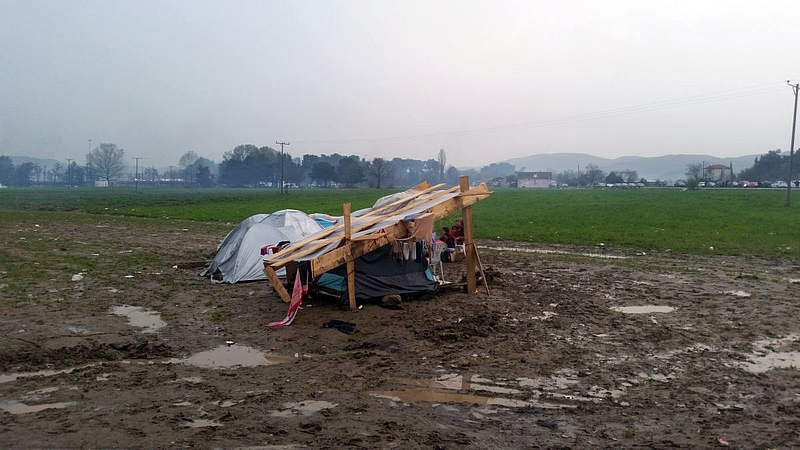
They were among the first at the closed border: Jotkar, Fadia, Britan and Pelinar. They have been holding out in Idomeni for 31 days now.
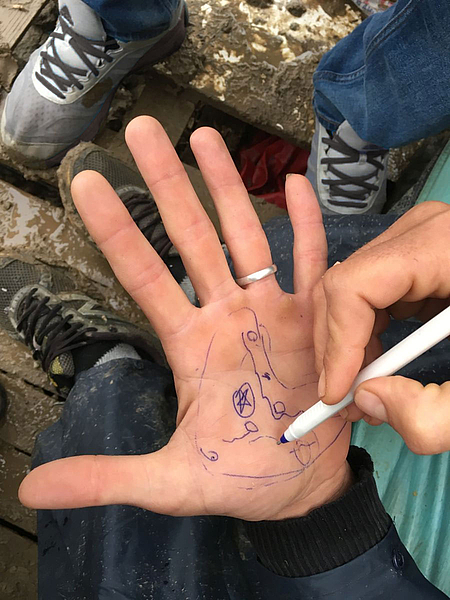
Jotkar draws a map of the war zone between Syria, Iraq, Turkey and Iran in the palm of his hand.
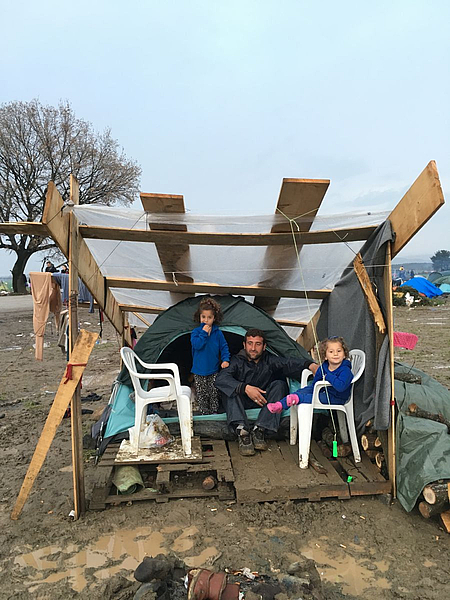
The Syrian family's tent: Five-year-old Britan, at her father's left. He sister Pelinar to the right.
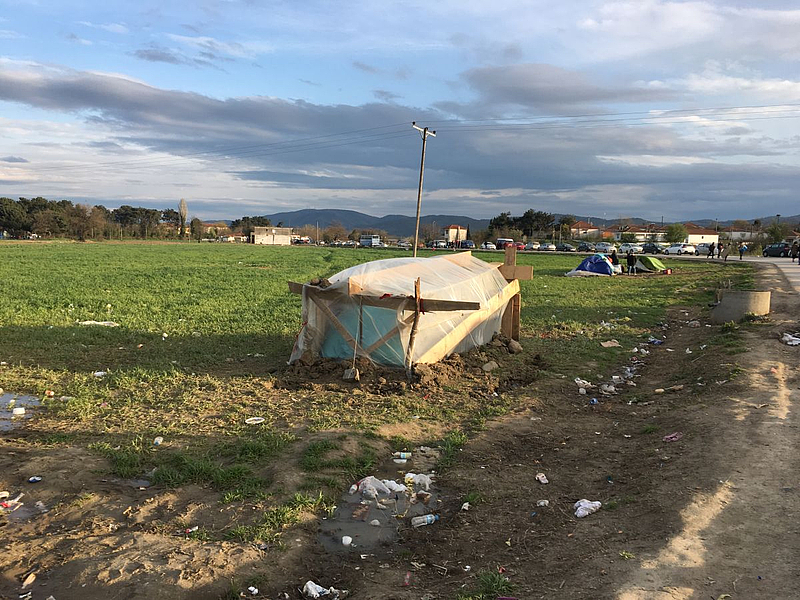
Vanguard

A boy is swinging. The ropes are braided from clothes.
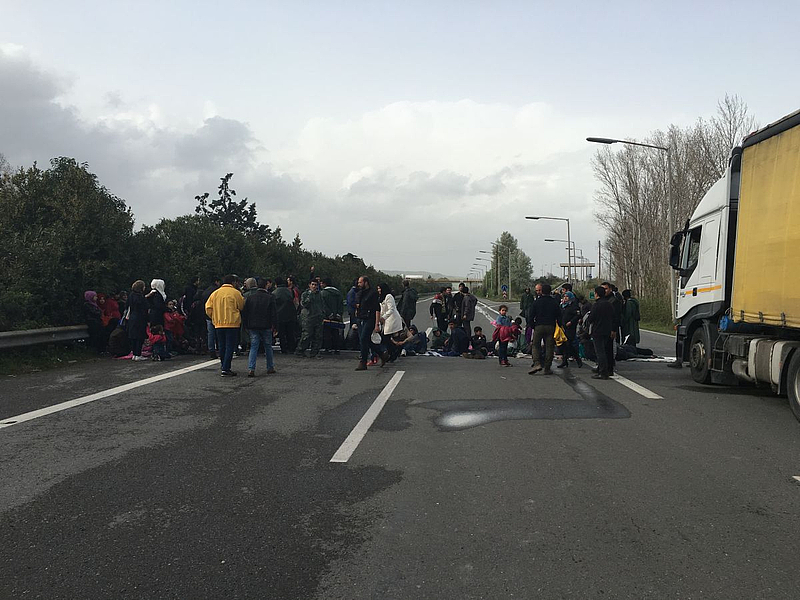
Blockade of freeway, right next to the border of Macedonia.
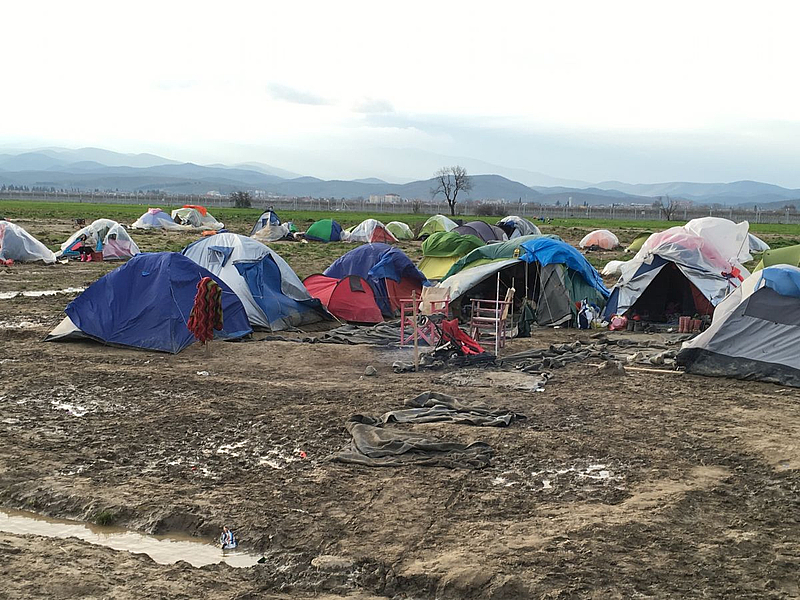
"It is as if you were sitting in the cold, waiting for warmth. But it is not coming."