
"No one should have to live like this" *
Klina is located in Northern Kosovo. Right where the war started in the early 90s, where Adem Jashari - the fighter for independence - was one of the founders of UçK, where you learn that history is a way of interpreting the world, and where those battlefield injuries still hurt. Until today the border between Kosovo and Serbia must be safeguarded in the region of Mitrovica by international troops. Exasperation prevents understanding.
In February 2016 Kumrije was hoping for a new, a better life in Germany. A life that would offer better prospects for her and her children and no more suffering. An ordinary life is a flight of fancy in Kosovo. Then there was "letra", that letter big with fate.
In Klina you know what "letra" means: again, someone will return from Germany and the family's suffering will grow even more. "Kumrije," her brothers said, "has nothing at all." Kumrije has three children but is unable to support them. "How is she?" her mother asks, "How are Valentina, Valdrina and Fuad?"
Valdet needs less than a sentence to describe life in Kosovo. His patience, power and hope were used up in 28 years. Kumrije's brother has had it with his country: F*CK! Desperate that all family members are without work. Desperate that there is no running water in the small house that shelters 10 to 15 people. That light only functions by the hour, that there is no kitchen, no washing machine, no bathroom, no toilet. Instead there is a latrine in a shed.
He is disgusted by administration. Disgusted by the system that does not follow its own rules. Disgusted by fraud and lack of care in all aspects. F*CK! A country, that turns citizens into henchmen and denies education to the young.
Valdet too is a homecomer by force. He learned to speak German during those three years while the procedure for granting the right of asylum would last. As before, without taking classes. Until he held "letra", the final negative verdict in his hands. Since he came back, the construction of the new house is even slower than before. He used to send money from Germany to buy material. His brothers would build the house while he was hoping to legalize. Tree trunks instead of scaffolding poles to support those walls made of brick. There was never enough money for decent bricks at 2 Euro / piece. The ones they bought instead at 20 Cent/piece are brittle and frail. The bare brickwork reveals two rooms for too many people to sleep in, and another room that is supposed to be the "salon." Looking through the holes that one day shall be windows, you see the old house, where Kumrije grew up with her nine siblings. And then there is one square meter that is supposed to be the toilet. There will be no kitchen and no running water in the new house. No bathroom, no heating.
The road to Prekaz i Poshtem is bumpy. F*CK! Valdet is driving around potholes. The village became independent Kosovo's identity. The remnants of the buildings where in 1998 the family of Adam Jashari was shot, bombed and massacred (circumstances remain to be cleared to this day) became a memorial and historical site. Two soldiers are standing to attention at the graves of honor where 56 people were buried.
Densely wooded hill ranges stand out in the region of Drenica. For all locals they have lost their beauty. Kumrije's family was hiding in the woods of those hills for two years. Just like all other residents of the surrounding villages, who could not escape to a foreign country. Those how managed to escape only come back to Kosovo in summer. No white marble plates, only the trees remember an uncounted number of dead people who did not die in the line of fire but froze to death in winter.
"Two years in the woods," Valet says. "F*CK!" Back then he was 10 years old. Kumrije was 20. Together with them eight siblings, their father and mother survived.
It has been a year since Valdet came back to Kosovo. One stressful year: "I have to try again. Get married to a German. Anything." No ceremony with bridal dress and documents seals his relationship with the young woman who is the mother of his 4 years old son. She had been making herself up carefully for the visit from Germany. Adelina smiles. She would love to see Germany one day. "F*CK! How is this supposed to work? She will stay in Kosovo for the rest of her life." Adelina shakes her head and keeps smiling.
Selijhe, Kumrije's mother, who gave birth to 12 children and lost two, is full of expectation standing in the shell of her unfinished building. No one knows yet how to pay for windows and door. However, soon the roof will be done. "Maybe in a year or two," Selijhe smiles, "we can move into our new home."
A year and a half ago when saying goodbye to her daughter she wished for her: "I never want to see you here again. Only as a visitor."
Kumrije is not back yet.
* Kumrije in a conversation in February 2016
1 Ushtria Çlirimtare e Kosovës |Kosovo Liberation Army
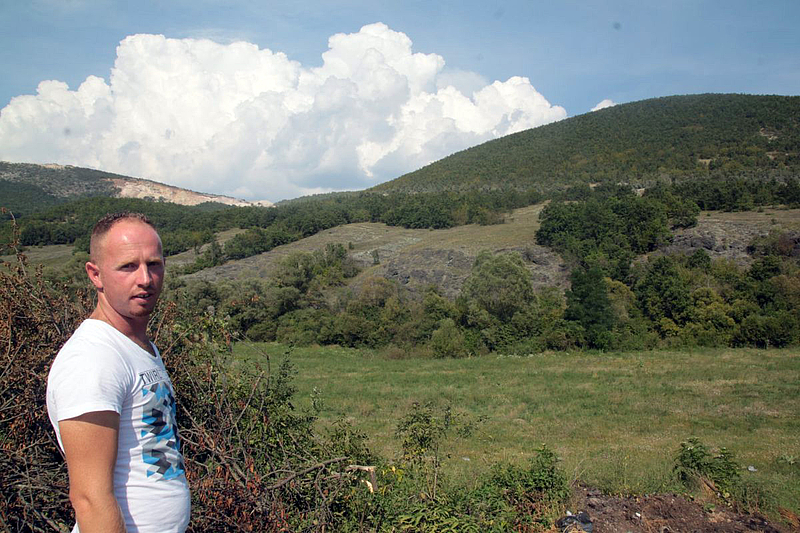
Mit Valdet, dem 28-jährige Bruder von Kumrije, auf dem Weg von Mitrovica nach Klina
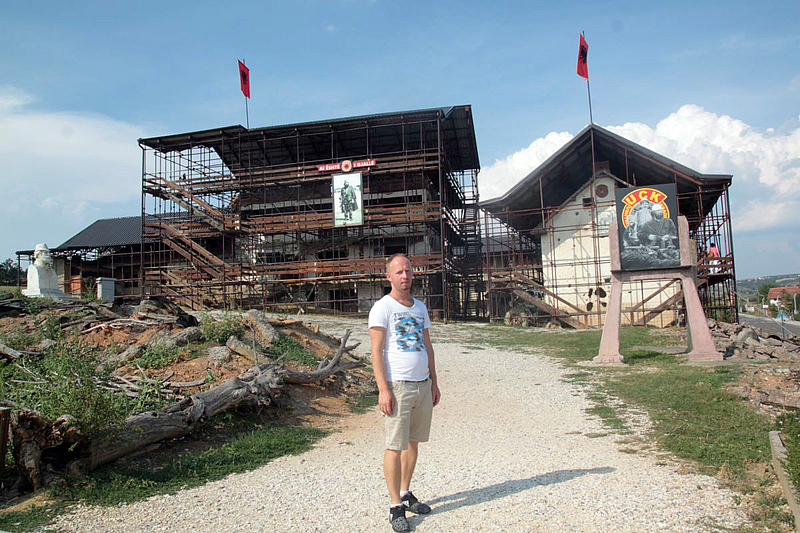
Prekaz - Gedenkstätte für die Toten des Kosovo-Krieges
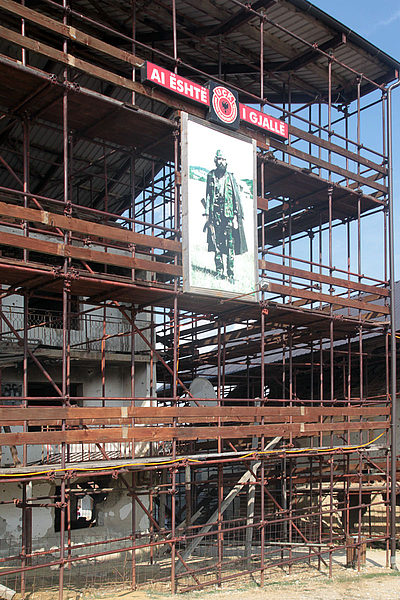
Haus der Familie Jashari mit dem Portait von Adem Jashari, Mitbegründer der UÇK
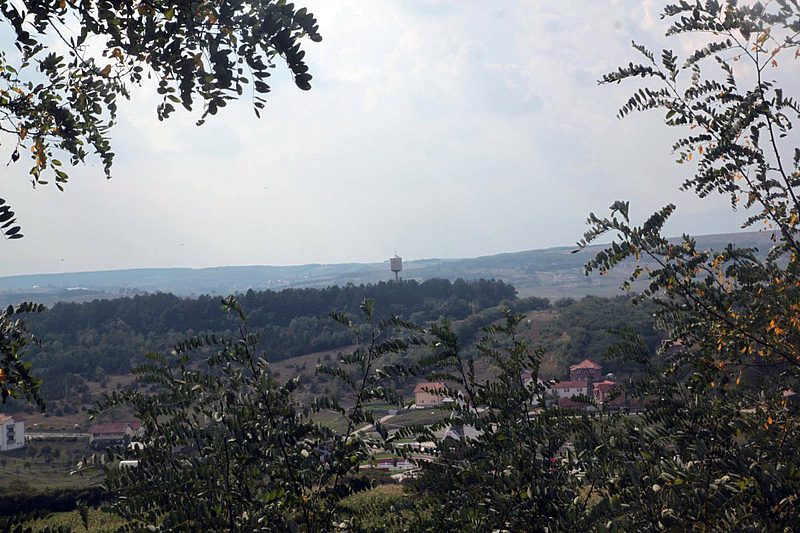
Blick aus dem Wald auf die ehemalige serbische Kriegsfront. Schwach zeichnen sich die Umrisse einer ehemaligen serbischen Waffenfabrik ab.
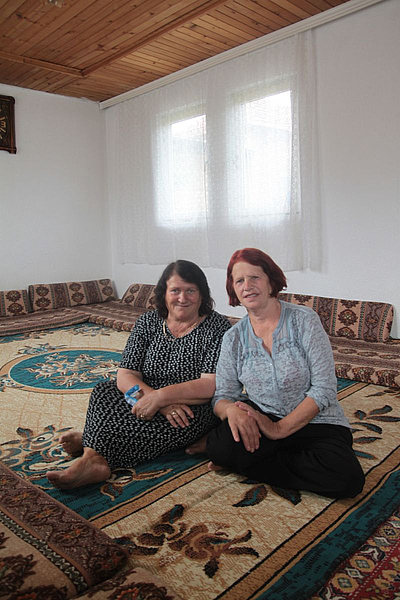
Sie haben sich während des Krieges mit ihren Familien zwei Jahre im Wald versteckt: Selihe (rechts im Bild), Mutter von Kumrije. und eine Cousine im "Salon" des alten Hauses.
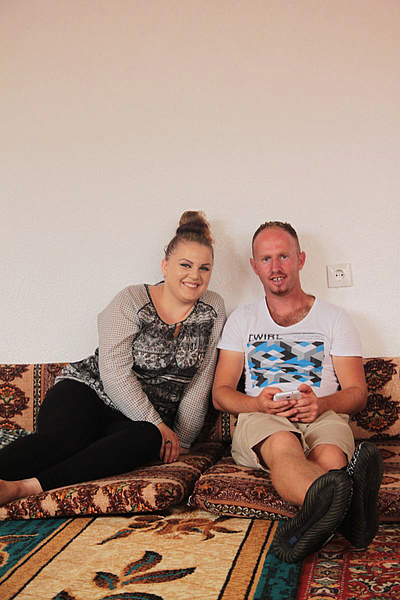
Adelina und Valdet - Beide träumen von einem Leben in Deutschland

Vermissen Valentina, Valdrina und Fuad: Die Kinder eines der Brüder von Kumrije

Brüder Kumrijes
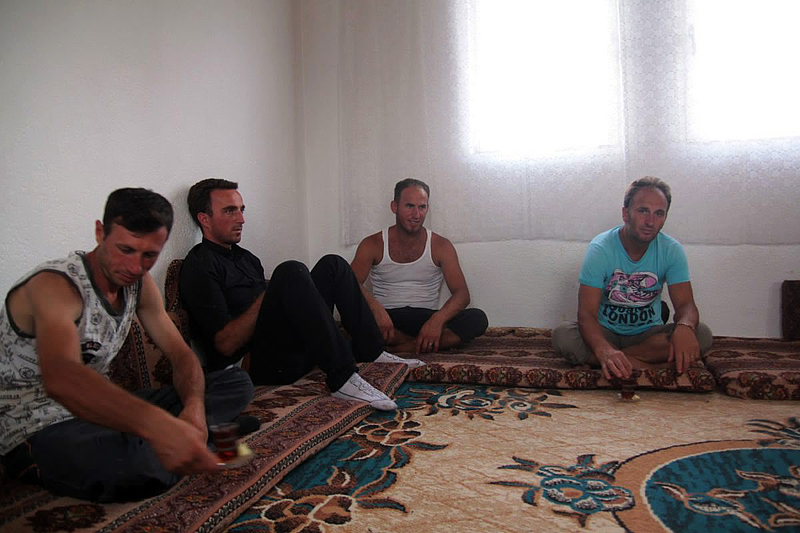
Sie bauen das neue Haus.
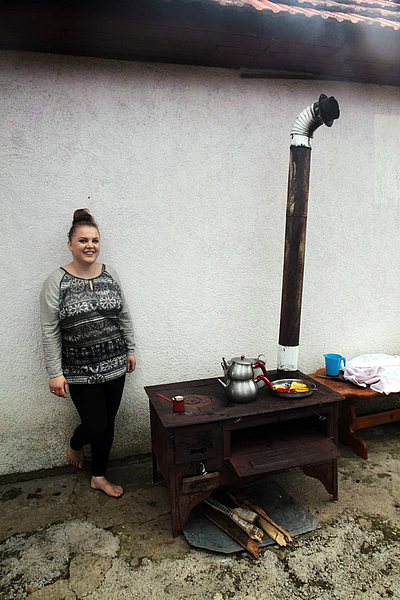
Adelina neben dem Herd, der die Küche der Großfamilie darstellt.
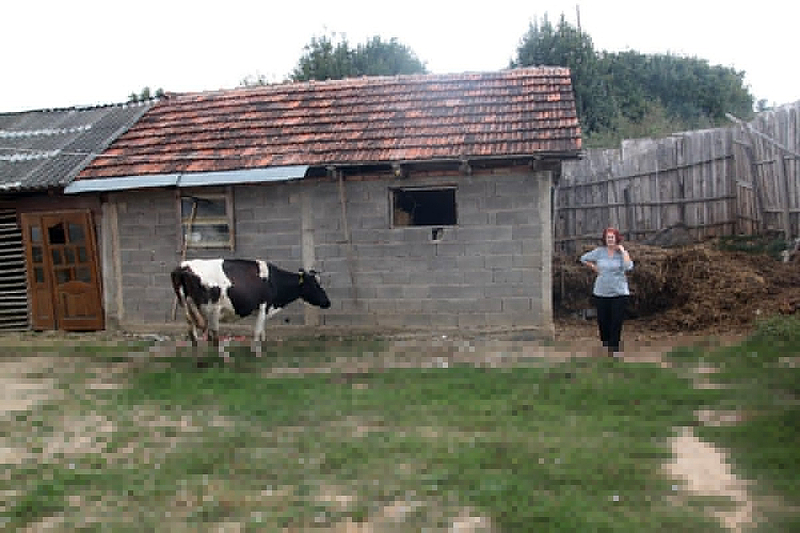
Die Kuh für die Milchversorgung der Familie.
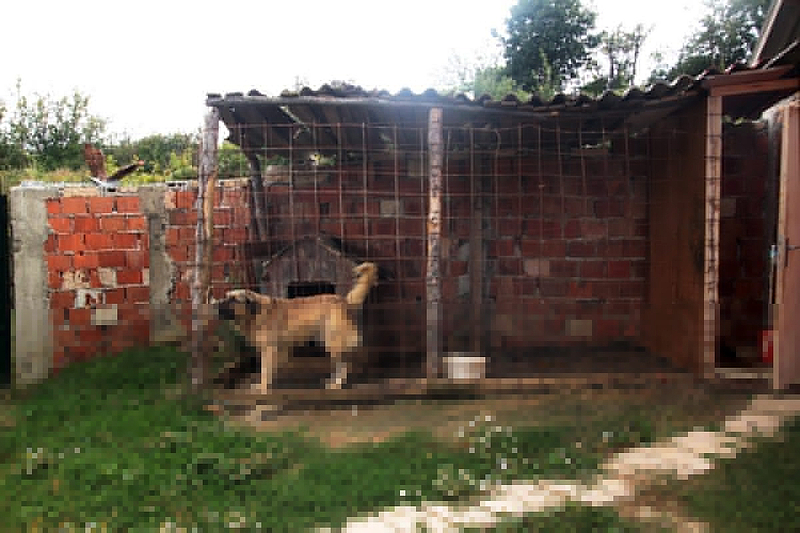
Wachhund und Latrine
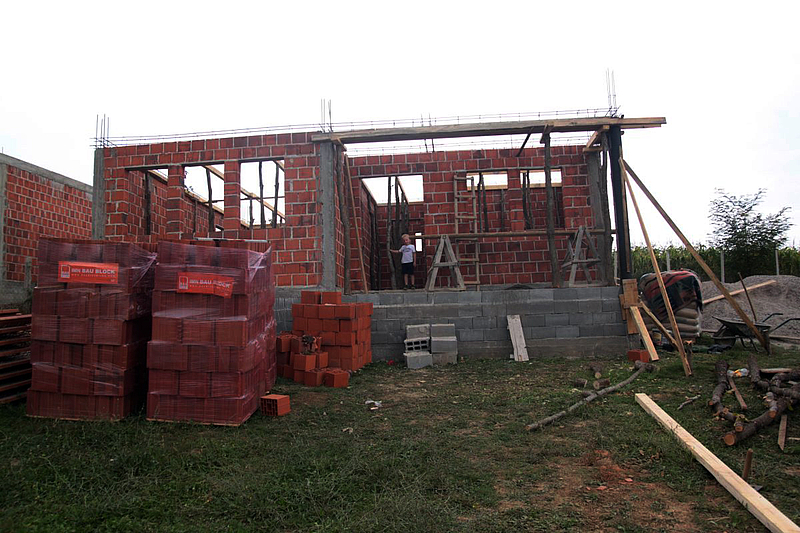
Der Rohbau
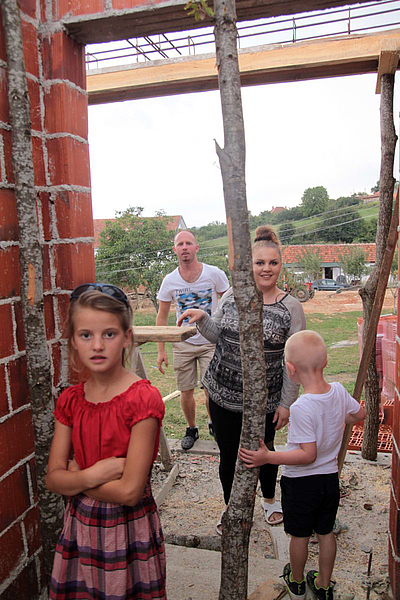
Besichtigung des Rohbaus
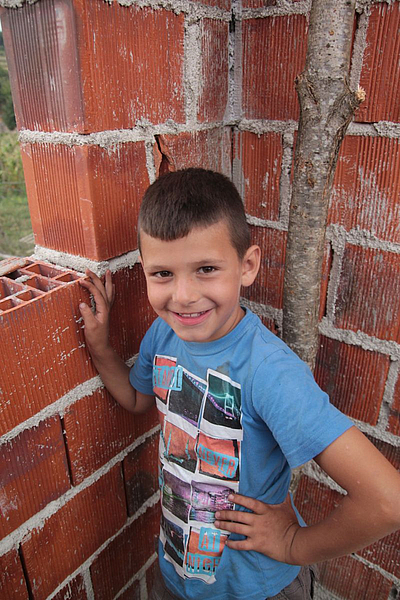
Enkelsohn Selihes
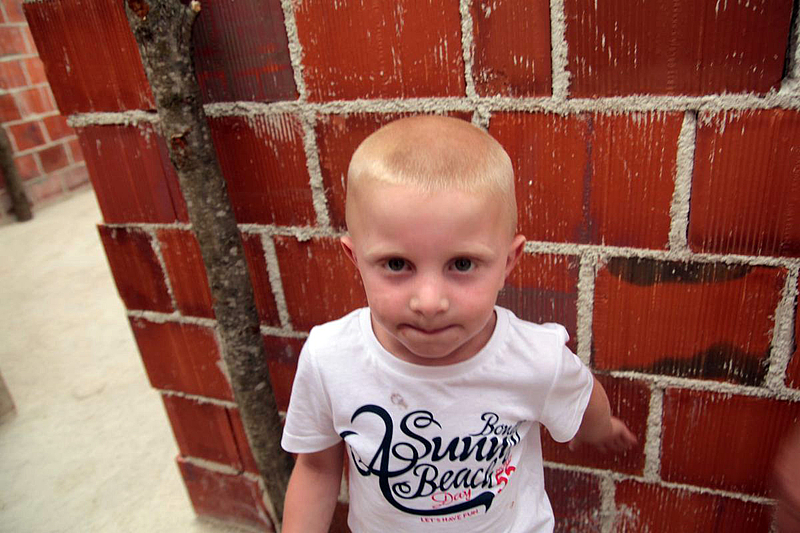
Der vierjährige Sohn von Adelina und Valdet
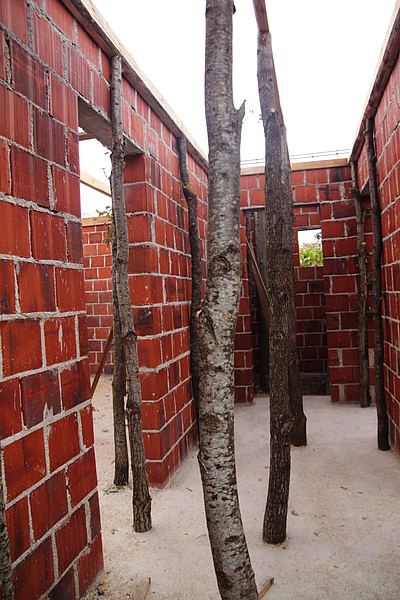
Baumstämme ersetzen Baustützen
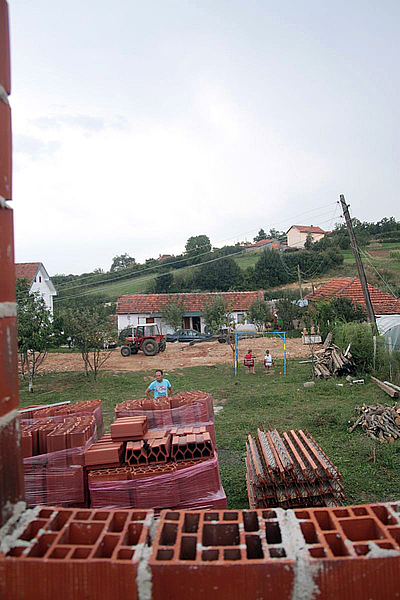
Blick auf das alte Haus
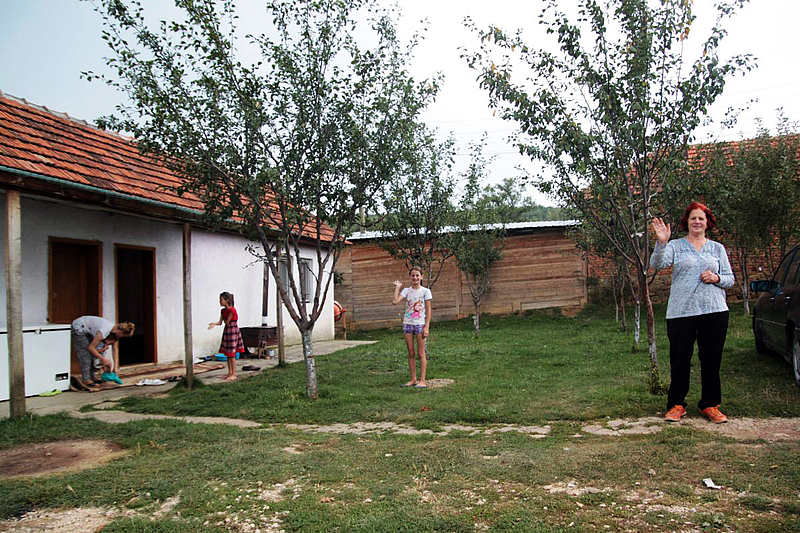
Hoffen auf eine Zukunft