
On Sprewani, Hevelli and one Yezidi
On January 23,2016 all signs of the primary settlers' hopes are covered with snow in Hohenschönhausen. The windows of the residential area at Ostseeviertel are like unseeing eyes; the grey sky further dims any quest and repels its observer back to the houses' façades.
It has been a long time since the Sprewani and Hevelli came to the region of Berlin where they founded Alt-Hohenschönhausen - They were immigrants in consequence of the first Migration Period in the 7th century.
Today, members of these Slavic tribes would stand in line in front of LaGeSo, to return wearily to their provisional accommodation at Turmstrasse at night. I know as much about them as I knew about Yezidi a year ago: downright nothing.
This is where he had asked for the address, Dachil's arm is pointing to two red spots, at the corner of a house in the distance. Two lanterns are limited to the promise of sweet and sour pork lunch.
It said "Klützer Strasse 42" on the slip of paper that LaGeSo staff had given him when sending him to Ostseeviertel on January 23, 2015. Two gyms had been transformed into emergency shelter, starting January 8, 2015. He was one out of 60 residents, sharing accommodation at the gym. The second hall was reserved for families.
Every now and then there were demonstrations outside.
In the meantime, the emergency shelter has been closed. However, due to deficient assembly tasks during temporary use, the hall cannot be used again as a gym yet.
We are looking through the fence. In the snowy and overgrown courtyard there is a door. "That was sanitary products supply," says Dachil. He is walking a few meters: "This is where the toilets were."
A woman, pushing a stroller, is walking by. Did she know that this was once accommodation for people on the run? She kindly confirmed that she knew but that she could not provide us with any other information.
By the way, I did not know either that the first findings of settlement in the Hohenschönhausen area are dating back to the Bronze Age.
Here is what Dachil wrote in April 2015 about his arrival:
"At the first day i arrived at the first HEIM in hohenshonehausen, i was at the entrance - i just opend my google maps to check if it's really the great city 'Berlin' and, of misfortune, it was."
"There is no Norway, even in Norway," the Slovenian philosopher Slavoj Žižek has stated in his essay on the European crisis in immigration policy. „They [Editor: asylum seekers] will have to learn to censor their dreams: Instead of chasing them in reality, they should focus on changing reality"1
Changing reality - one is trying hard: Dachil, who arrived in Berlin Hohenschönhausen on January 23, 2015.
* de.wikipedia.org/wiki/Berlin-Alt-Hohensch %C3%B6nhausen / taken 25.01.2016
1 Slavoj Zizek: "We can’t address the EU Refugee Crisis without confronting global capitalism", Zitiert aus Larissa Hermanns "Der Himmel des Du und die Winde der Ursächlichkeit; oder wie wahre Kommunikation die Welt verbessern könnte", Position Paper 2016
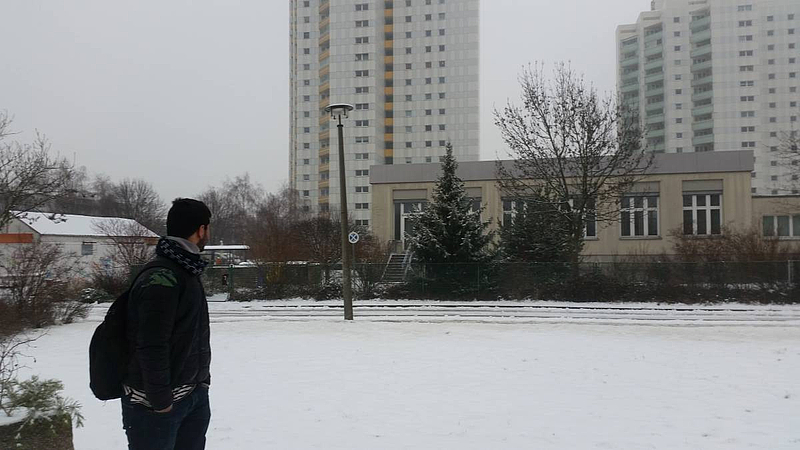
Day of Remembrance: Dachil on January 23, 2016 at Hohenschönhausen - one year after his arrival in Germany
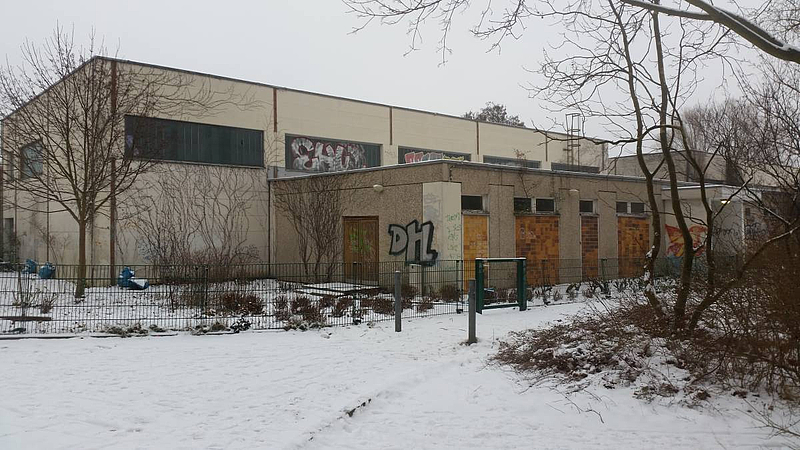
Klützer Straße 42 - From January to Oktober 2015 used as emergency accomodation for Asylum seekers.
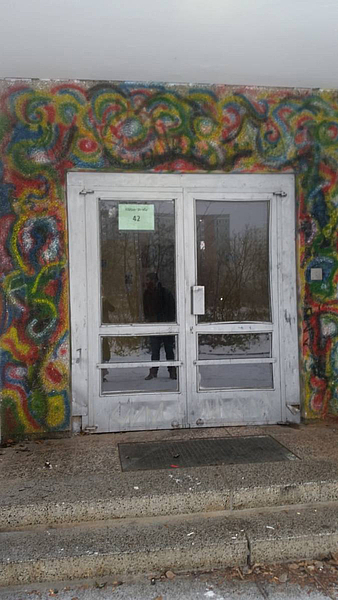
Klützer Straße 42
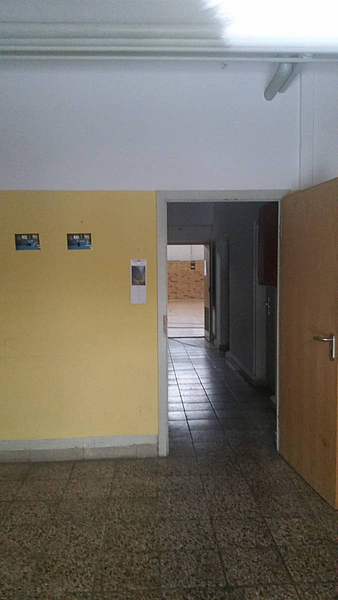
View to the gym used as sleeping room for more than 60 people
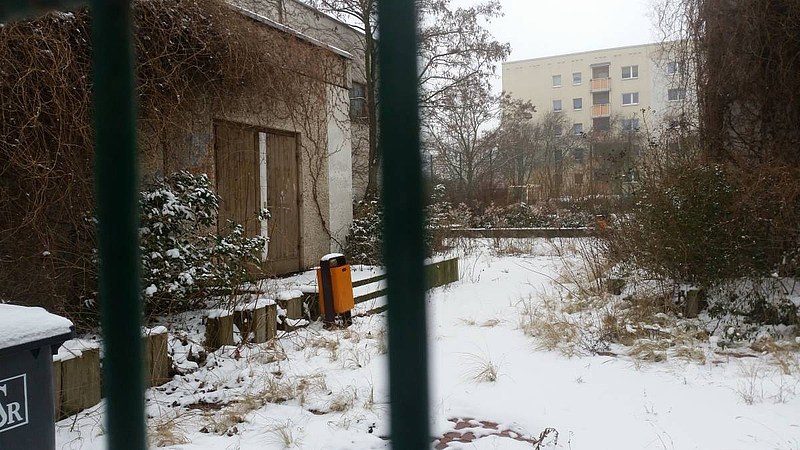
Issuing point for sanitary products
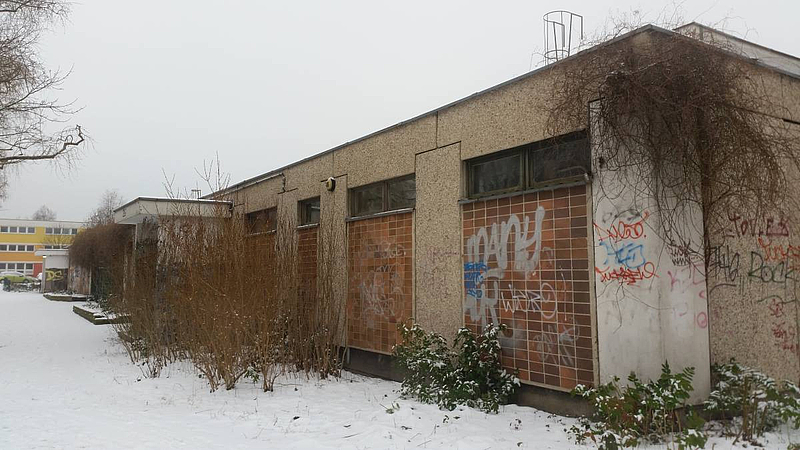
Klützer Straße 36 und 42, Emergency accomodations fpr families für Familien and single travellers
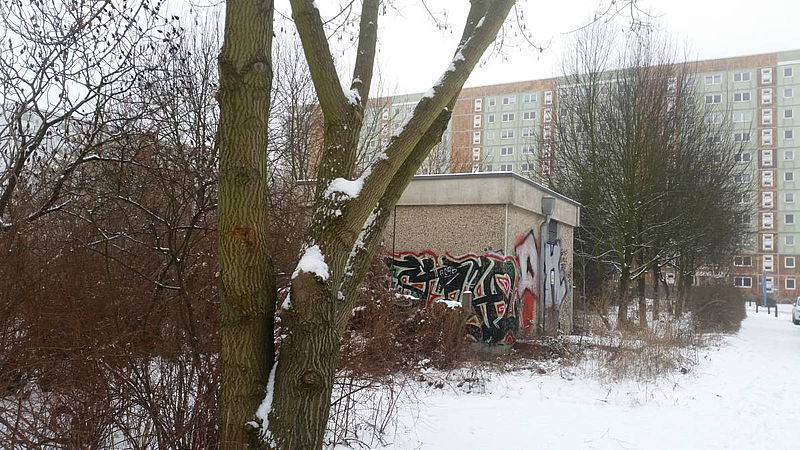
"Geradeaus" [straight on] - the first word Dachil learned in german language at the crossing
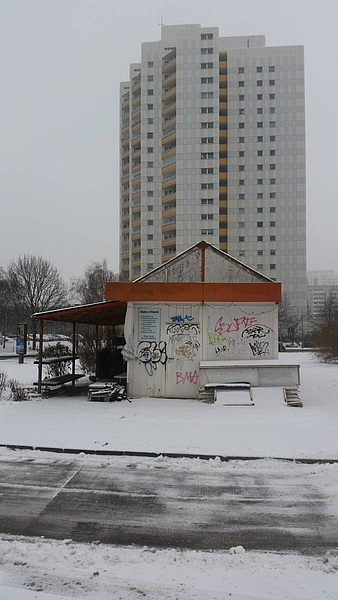
city view of Berlin Hohenschönhausen